March 25, 20265 min read
How You Should DESIGN in 2026: Developing Taste in an AI World
With AI like Stitch generating stunning websites in seconds, what's left for us? The answer is TASTE. Here is how to see the details that truly matter in 2026.
#Design#AI#UI/UX#Taste#2026
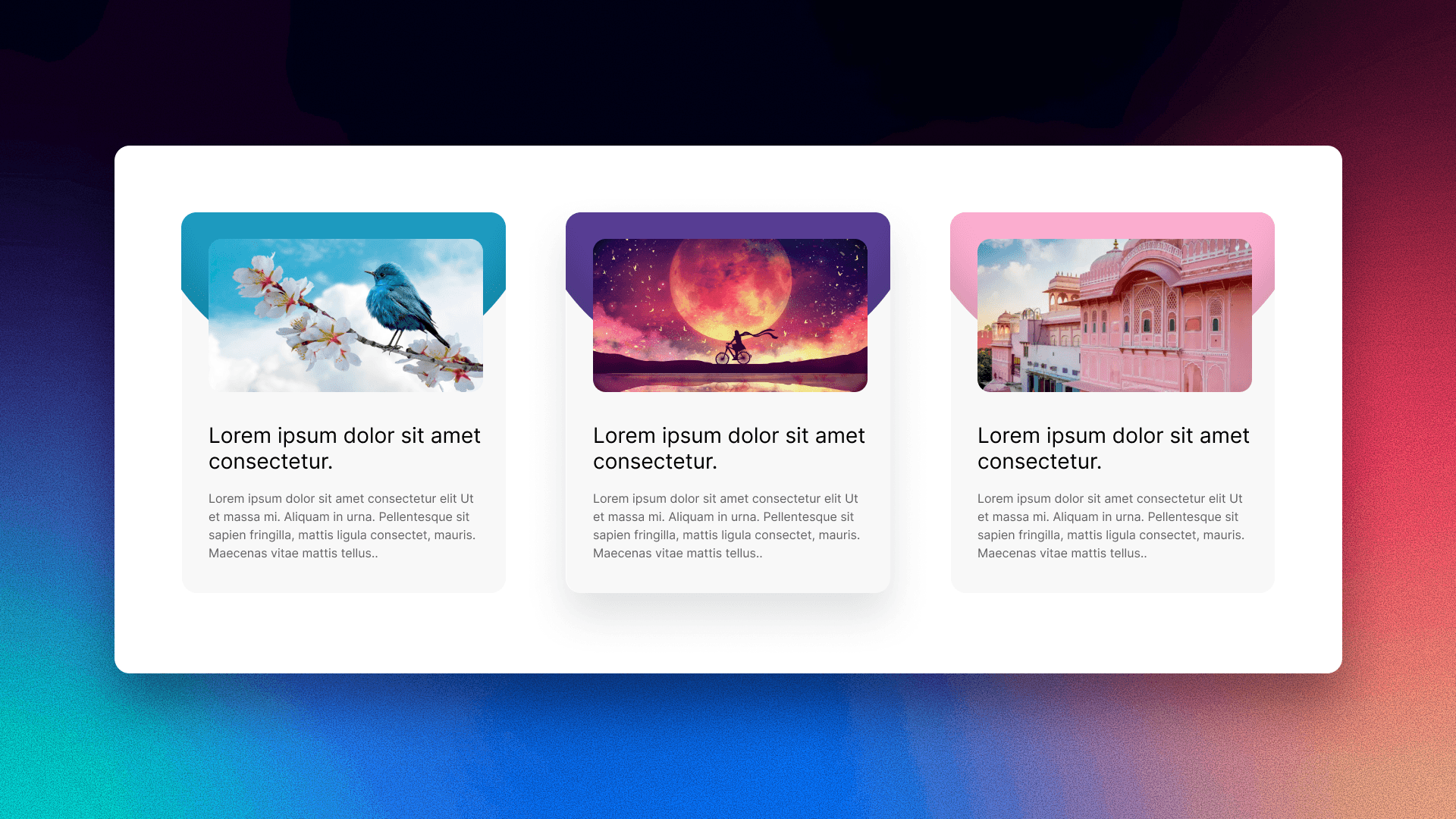
Table of Contents
It’s 2026, and the world of design has changed more in the last three years than in the previous three decades.
We now have tools like Stitch that can generate a modern, dark-themed dashboard in seconds. For some, that might be scary. But for those of us who love the craft, it’s actually the most exciting time to be a designer. Why? Because the bar for good enough has been raised, which means great design is now about something much more human than just pushing pixels.
It’s about Taste.
Why Human Taste is the New Gold Standard
When AI provides the average of everything, the only way to stand out is to have a perspective. Taste isn't just a vibe—it's a deep understanding of why things work. It's the ability to look at a perfectly generated UI and realize it feels empty, or that the hierarchy is off.
I’ve spent a lot of time learning design on my own. What I’ve realized is that great UIs aren't made of magic; they're made of intentional decisions. In this AI era, your value isn't your speed—it's your intent.
Learning to See: The Unpolished Design
To develop taste, you have to learn how to spot why a design fails before you start making great ones. Let's analyze this UI below. Even if an AI creates a layout, if it doesn't understand these basics, it will always feel like a generic template.
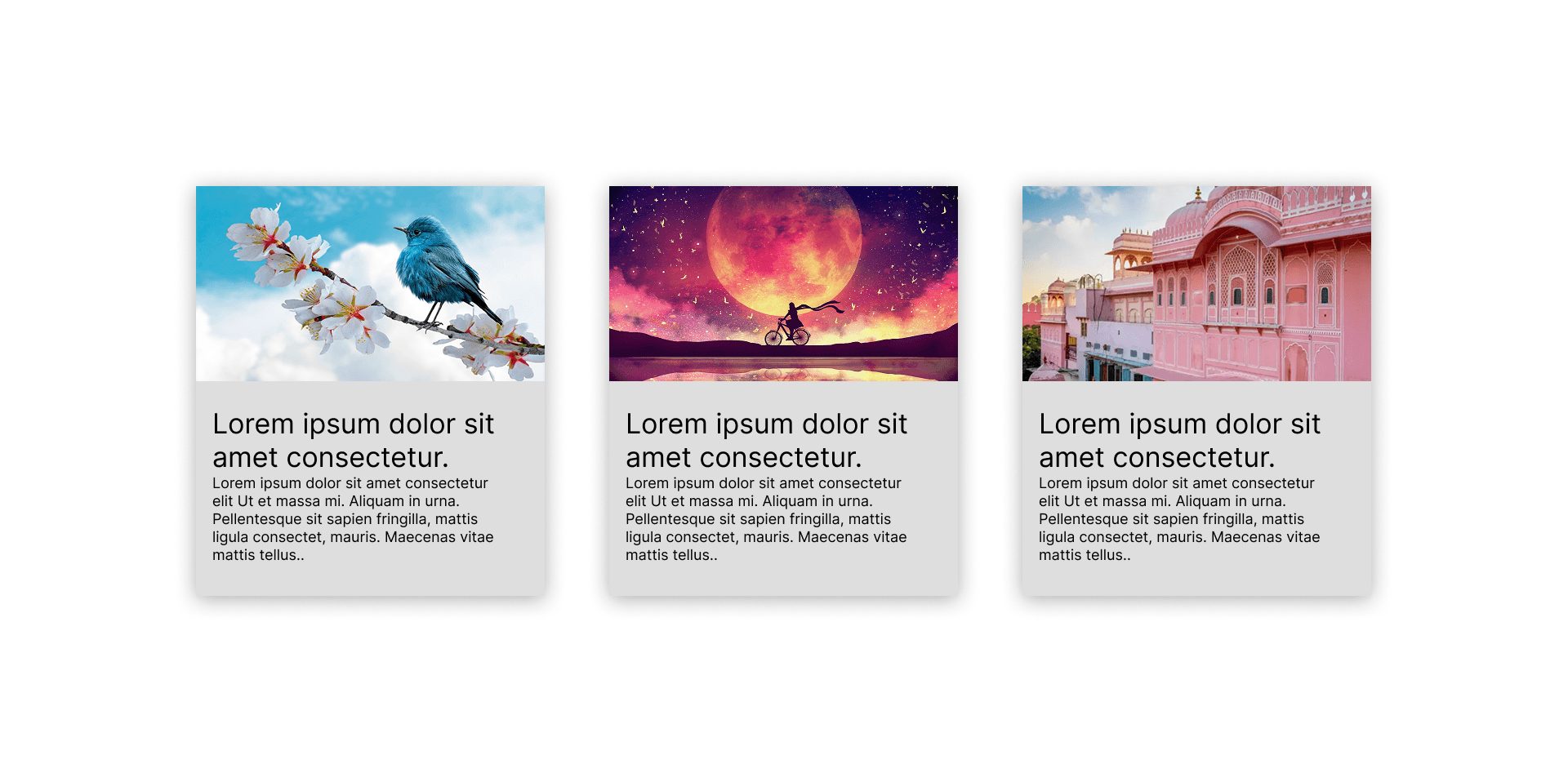
A design that demonstrates common UI pitfalls in detail
When we look at this with a critical eye, we can see exactly where the craft is missing:
1. Typography & Hierarchy (The Rule of Opacity)
The titles are massive, but notice the body text. In the bad version, it’s often just pure black or white. To create a real visual difference, we need to reduce the body text opacity (usually to around 70%). This creates a clear hierarchy and lets the flow guide the eyes from the headline down to the details. Without this contrast, everything competes for attention.
2. Vertical Rhythm & Proximity
Spacing needs to be consistent, but not identical. There is a principle called Proximity which dictates how our brain groups information.
In a good design, you should double the spacing between the image and the title compared to the spacing between the title and the body text. This visually glues the text block together while separating it from the visual asset. In the bad example, these distances are often equal or random, which makes the layout feel imperfect and disorganized.
3. Spacing & Padding
The image doesn't have the same padding as the text. This is a common mistake where the content hugs the edges. Consistent internal padding across all elements is what makes a card feel designed rather than just assembled.
4. Soft Shadows vs. Sharp Smudges
Look at the box shadow. It's sharp, dark, and intrusive. It makes the design look heavy and cheap. In 2026, we aim for soft, subtle shadows that blend into the background. A shadow should feel like a suggestion of depth, not a border.
5. Consistent Radius
If the outer card has a large radius, but the image inside doesn't match, it creates visual friction. Great taste is noticing these small jitters and ensuring the corner math is consistent throughout.
The Design Touch: Making it Unique
Once you have the basics right, you need to add a design element touch. This is that one unique detail—like the colorful fold or custom tag you see in the better version of these cards—that makes your work stand out.
AI generates designs that look the same because they are built from averages. It’s your job to create something new. You can either build from scratch or increase your speed tremendously by using AI as your partner rather than your substitute. Use it to do the heavy lifting while you focus on the unique touch.
You Are the Final Filter
Whether you are self-taught or have years of formal training, your eye is what determines if a product is just a render or a solution.
Here is how I’m keeping my taste sharp:
- Analyze the Yuck Factor: Figure out if it's the contrast, the proximity, or the shadows. Once you name the problem, it's easy to fix.
- Focus on Craft, Not Just Visuals: A pretty UI that is hard to use is just decoration.
- Stay Curious: AI can give you a starting point, but your curiosity and human touch will take it to the finish line.
Final Thoughts
The existence of AI doesn't diminish our role—it elevates it. We are moving away from being builders and toward being architects of experience.
Keep looking closer, keep questioning, and keep building things that actually matter. Your taste is the only thing that can't be automated.
J
Jay Singh Chauhan
Full Stack Engineer & Designer